How Hospitals Can Source Surgical Supplies During Supply Chain Disruptions
How Hospitals Can Source Surgical Supplies During Supply Chain Disruptions
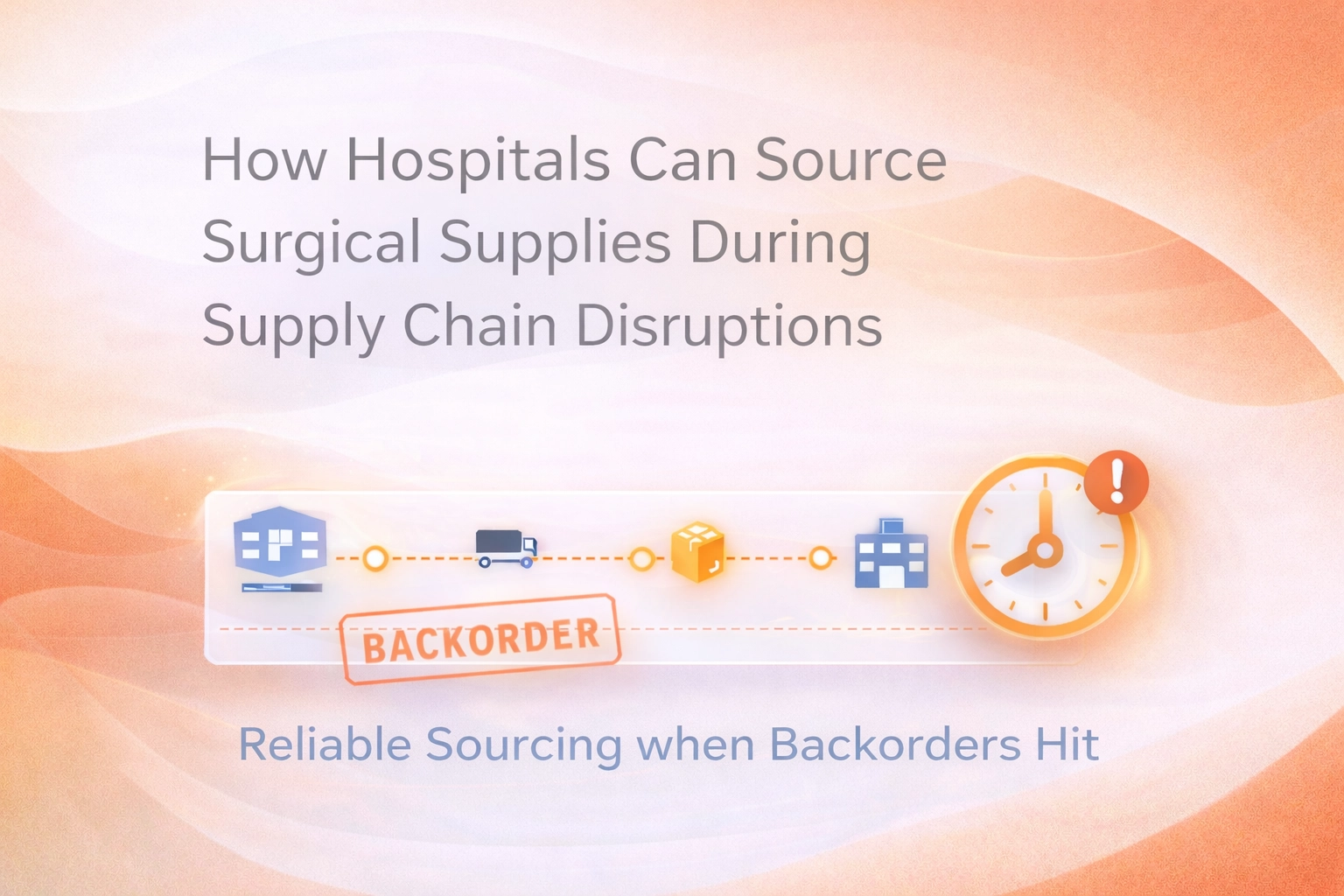
When critical surgical products go on backorder, hospitals and surgery centers often need an immediate alternative to keep cases on schedule. A surgical supply backorder alternative doesn’t necessarily mean switching to an unfamiliar product or compromising clinical preference. Secondary sourcing networks can provide access to unused, in-date OEM surgical supplies that are already in circulation within the healthcare system. By tapping into surplus inventory from other facilities, procurement teams can often locate the exact product and SKU they need even when the manufacturer’s ordering system shows a backorder status.
The modern healthcare supply chain is a marvel of efficiency: until it isn’t. For years, hospitals and ambulatory surgery centers (ASCs) have relied on "just-in-time" inventory models and exclusive primary vendor contracts to keep overhead low and operations lean. However, recent events have exposed the fragility of this single-source reliance.
From global logistics bottlenecks to sudden cybersecurity breaches: such as the recent disruptions affecting major industry players like Stryker: the reality is clear: when a primary supplier goes dark, patient care is immediately at risk.
In an environment where a missing suture or a backordered surgical device can lead to cancelled cases and lost revenue, procurement teams must move quickly to identify reliable backorder alternatives. This guide explores how hospitals can navigate supply chain disruptions by building a robust secondary sourcing network.
How Hospitals Can Manage Surgical Supply Backorders
When a primary manufacturer or distributor faces a system-wide outage or a production halt, the ripple effect is felt instantly in the Operating Room. Surgeons who are accustomed to specific brands: whether it’s Ethicon sutures or Covidien staplers: find themselves facing "clinically equivalent" substitutions that may require a learning curve or, worse, no inventory at all.
Supply chain disruptions aren't just an administrative headache; they are a clinical crisis. The inability to source critical surgical supplies can lead to:
- Delayed Procedures: Every hour an OR sits empty due to lack of supplies represents thousands of dollars in lost revenue and potential risks to patient outcomes.
- Staff Burnout: Materials managers and circulating nurses spend hours "firefighting," hunting for supplies instead of focusing on patient care.
- Inflated Costs: Panic-buying during a shortage often leads to paying astronomical premiums for the last remaining units on the market.
To mitigate these risks, leading facilities are moving away from total reliance on one-stop-shop distributors and are instead vetting reliable secondary sources that can bridge the gap during emergencies.
Why Diversified Sourcing is the New Standard
Historically, hospitals were incentivized to stick to one primary vendor to hit tiered pricing benchmarks. While those contracts are important, they shouldn't be your only lifeline. Having a backup source, like The Hospital Hub, allows you to maintain continuity when primary channels fail.
1. Immediate Access to Premium Brands
One of the biggest challenges during a disruption is finding the exact SKU a surgeon prefers. Many secondary markets deal in off-brand alternatives, but in a high-stakes surgical environment, brand-name reliability matters.
We specialize in maintaining inventory of the industry’s most trusted names, including:
- Ethicon: High-demand sutures, mesh, and energy devices.
- Medtronic & Covidien: Essential stapling and electrosurgical tools.
- Intuitive: Critical components for robotic-assisted surgery.
By keeping a pulse on the secondary market, facilities can find these exact products even when the manufacturer’s portal shows a "backordered" status.
2. Speed and Expedited Delivery
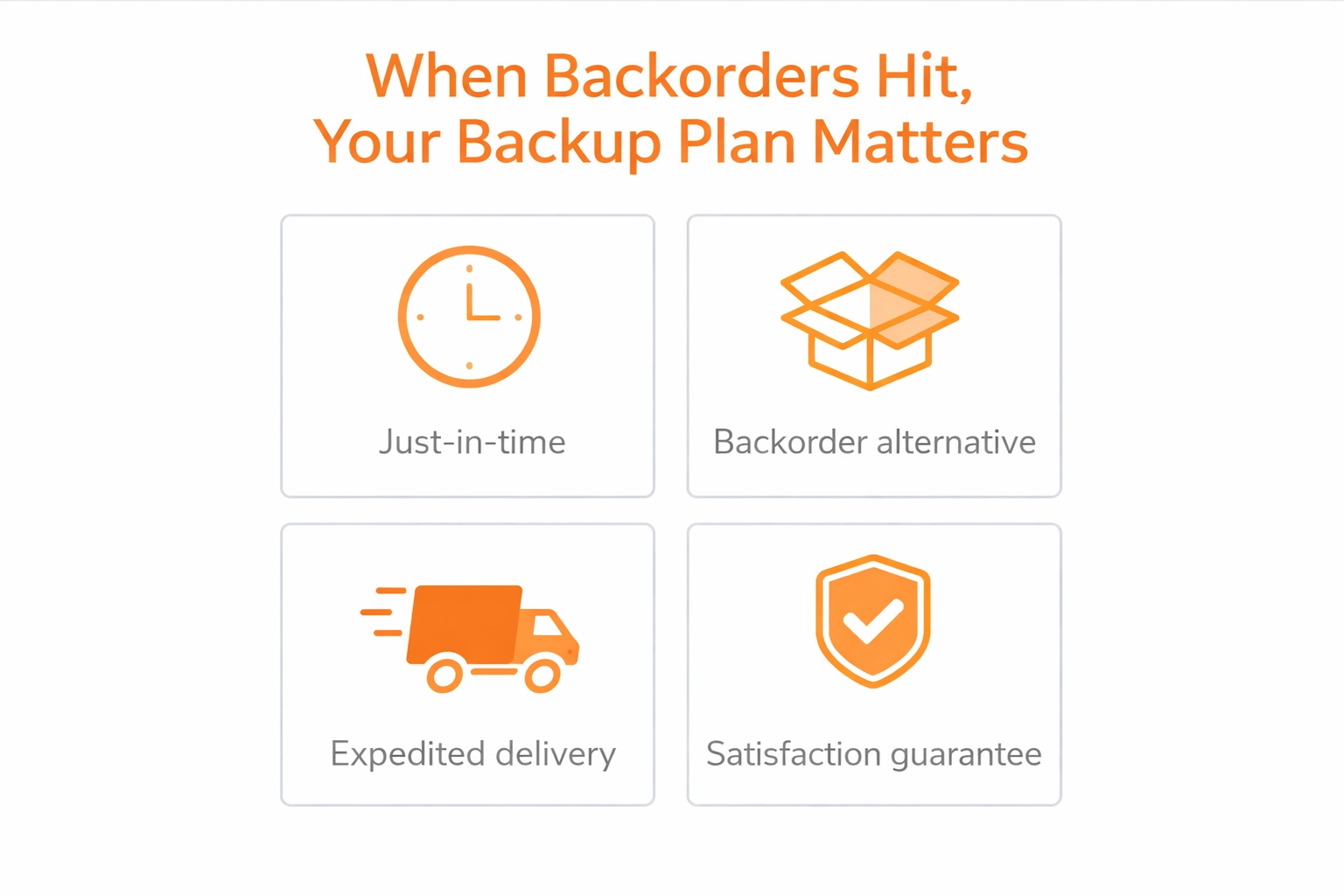
In a supply chain crisis, time is the most valuable commodity. Large-scale distributors often have rigid logistics schedules and tiered shipping priorities that can leave smaller hospitals or independent ASCs at the back of the line.
A dedicated secondary supplier operates with a different level of agility. When you need a specific Harmonic Scalpel or a set of Endo GIA reloads for a case tomorrow morning, you need a partner that offers expedited shipping as a standard, not an exception. Bridging the gap between the OR and the loading dock is what keeps the lights on during a vendor outage.
Leveraging the "Circular Economy" for Resilience
Supply chain disruptions aren't always about a lack of product in the world; often, it’s about the product being in the wrong place. While your facility might be desperate for a specific trocar, another hospital across the country might have a surplus of that exact item due to a surgeon’s departure or a change in preference.
This is where the Surplus Buying Program becomes a strategic asset for the entire healthcare ecosystem.
Turning Overstock into a Resource
By participating in surplus redistribution, hospitals can:
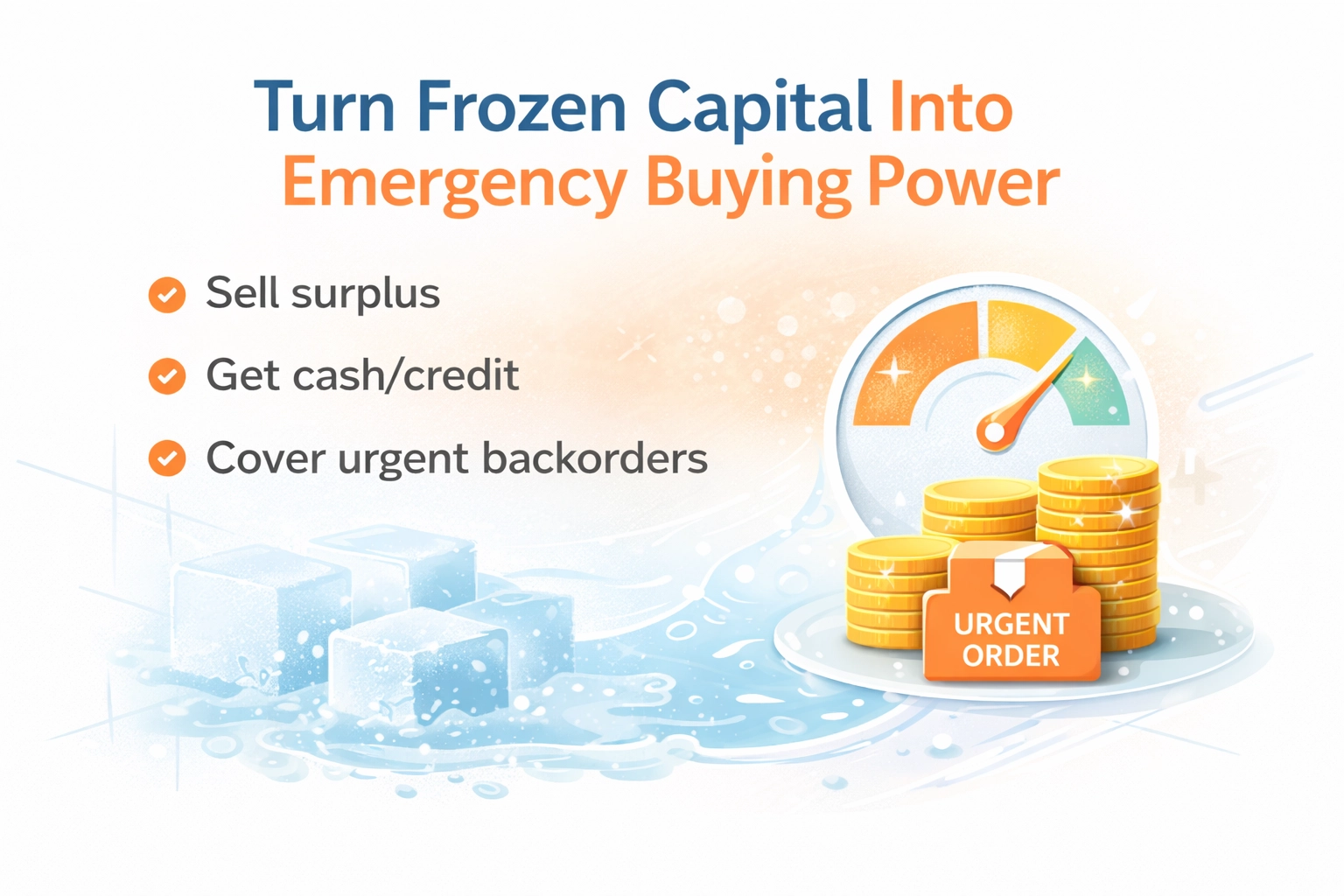
- Recover Capital: Turn unused, in-date inventory into cash or credit that can be used to purchase backordered items.
- Improve Sustainability: Reduce the environmental impact of medical waste by ensuring perfectly good supplies are used in another facility rather than sent to a landfill.
- Build Market Stability: Every box of supplies redistributed through The Hospital Hub helps stabilize the broader market, ensuring that "ghost inventory" sitting in a backroom somewhere is made available to a facility in need.

How to Integrate a Secondary Supplier into Your Workflow
Switching from a purely primary-vendor mindset to a diversified model doesn't happen overnight. It requires a proactive approach from the procurement team. Here are three steps to get started:
1. Identify Your "Critical Fail" Items
Audit your inventory and identify the top 10–20 items that would cause a complete surgical shutdown if they went on backorder. These usually include energy devices, specialty sutures, and stapling reloads. Keep a list of these SKUs and their average monthly usage.
2. Vet Your Backup Partners Now
Don't wait for a hack or a hurricane to start looking for a secondary source. Create an account with a trusted marketplace like The Hospital Hub and verify their quality control processes. Ensure they deal in in-date, OEM-original packaging to maintain compliance and safety standards.
3. Maximize Your Emergency Budget
Emergency sourcing can sometimes put a strain on the budget. To counteract this, look for programs that reward your loyalty even during irregular purchasing. Our HH+ Rewards program is designed for this exact scenario: allowing you to earn points on every purchase, including those urgent, "need-it-now" orders. These points can then be used to offset the cost of future supplies, effectively stretching your surgical supply dollars further.
The Strategic Importance of the "Backorder Alternative"
The recent surge in cybersecurity threats against healthcare infrastructure has proven that even the largest manufacturers are vulnerable. When a primary vendor's ordering system goes down, they often cannot even tell you when your shipment will arrive, let alone guarantee a delivery date.
Having a secondary supplier that remains operational independently of the manufacturer’s internal systems is a critical layer of your hospital's disaster recovery plan. We act as a "buffer" inventory. Because we source from a variety of liquidated and surplus channels, our stock levels aren't always tied to the manufacturer’s current production capacity.
Whether it's a specific stapling device or laparoscopic accessories, having access to a diverse catalog is the best defense against the unpredictable.
When surgical products go on backorder, having access to surplus OEM inventory from secondary markets can help hospitals maintain continuity of care without relying on uncertain manufacturer timelines.
Conclusion: Building a Future-Proof Supply Chain
Supply chain disruptions are no longer "once-in-a-decade" events; they are a recurring part of the modern healthcare landscape. Relying solely on a primary vendor is a gamble that most surgical departments can no longer afford to take.
By diversifying your sourcing, leveraging the power of surplus redistribution, and partnering with an agile secondary supplier, you can ensure that your surgeons have the tools they need: regardless of what’s happening at the manufacturer level.
Is your facility prepared for the next backorder? Don't wait for the next system outage to find out. Explore our current inventory or reach out to our team to learn how we can serve as your reliable backup source.
- Looking for specific supplies? Browse our full collection here.
- Have surplus inventory to sell? Get a quote through our Surplus Buying Program.
- Need help with an urgent order? Contact us today.