

BLOG
7 Surgical Supply Backorder Alternatives Hospitals Can Use During Supply Chain Disruptions

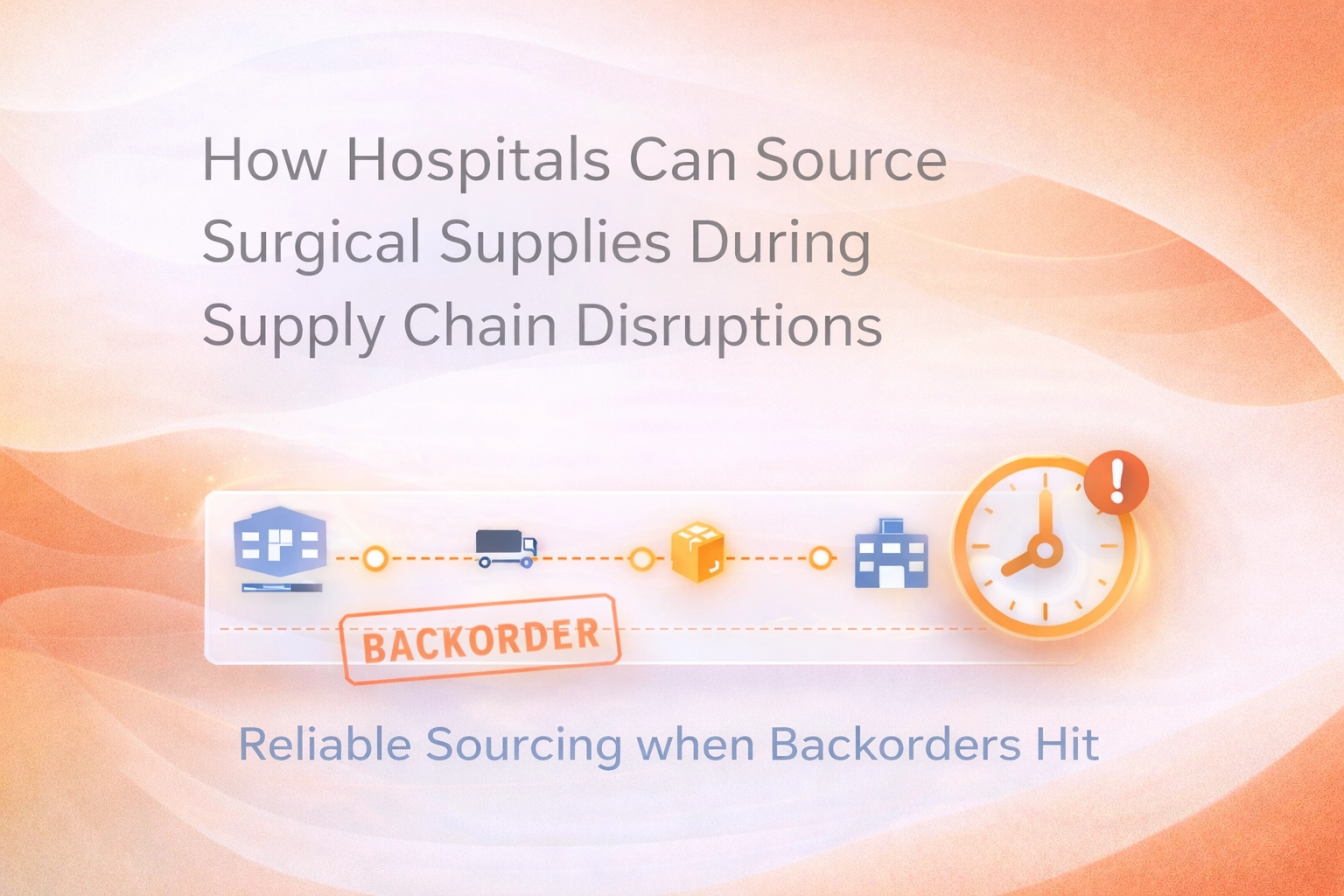
Table of Contents
When critical surgical products go on backorder, hospitals and surgery centers need a reliable surgical supply backorder alternative to keep procedures on schedule. A manufacturer backorder doesn’t have to mean switching to an unfamiliar product or delaying patient care. Secondary sourcing networks provide access to unused, in-date OEM surgical supplies already circulating throughout the healthcare system, allowing procurement teams to locate the exact product and SKU they need—even when traditional ordering channels show a backorder status.
The modern healthcare supply chain is a marvel of efficiency—until it isn’t.
For years, hospitals and ambulatory surgery centers (ASCs) have relied on just-in-time inventory models and exclusive primary vendor contracts to keep overhead low and operations lean. However, recent events have exposed the fragility of relying on a single source.
From global logistics bottlenecks to cybersecurity incidents affecting major healthcare manufacturers, the reality is clear: when a primary supplier goes dark, patient care is immediately at risk.
In an environment where a missing suture or a backordered surgical device can lead to canceled cases and lost revenue, procurement teams must move quickly to identify reliable surgical supply backorder alternatives. This guide explores how hospitals can navigate supply chain disruptions by building a robust secondary sourcing strategy.
What Is a Surgical Supply Backorder Alternative?
A surgical supply backorder alternative is a secondary source that provides the same OEM surgical products when a manufacturer or distributor cannot fulfill an order.
Instead of switching to unfamiliar substitutes or delaying procedures, hospitals and surgery centers can often source the exact unused, in-date product from surplus inventory already available within the healthcare system.
The goal isn’t to replace your primary supplier—it’s to provide a dependable backup source when unexpected shortages occur.
How Hospitals Can Manage Surgical Supply Backorders
When a primary manufacturer or distributor experiences a system-wide outage or production delay, the ripple effect is felt immediately in the operating room. Surgeons who rely on specific brands—whether it’s Ethicon sutures, Medtronic staplers, Arthrex products, or Stryker equipment—may suddenly face unfamiliar substitutions or, worse, no inventory at all.
Supply chain disruptions aren’t just an administrative headache—they’re a clinical and financial challenge.
They can lead to:
- Delayed procedures
- Staff burnout
- Higher purchasing costs
- Surgeon frustration
- Emergency freight expenses
To reduce these risks, many hospitals and ASCs are moving beyond total reliance on a single distributor and establishing relationships with trusted secondary suppliers before an emergency occurs.
Why Secondary Sourcing Helps Reduce Surgical Supply Backorders
Historically, hospitals were encouraged to consolidate purchasing through one primary vendor to maximize contract pricing. While those agreements remain valuable, they shouldn’t be your only option.
Having a qualified secondary sourcing partner, like The Hospital Hub, helps maintain continuity when traditional supply channels experience disruptions.
Immediate Access to Premium OEM Brands
One of the biggest challenges during a shortage is finding the exact SKU your surgeon prefers.
Unlike suppliers offering substitute or generic alternatives, secondary sourcing can often provide the same trusted OEM products, including:
- Ethicon sutures, mesh, Harmonic devices, and Echelon staplers
- Medtronic and Covidien LigaSure, Endo GIA reloads, and electrosurgical products
- Arthrex implants and surgical products
- Stryker equipment and accessories
- Intuitive robotic surgery components
By continuously monitoring the secondary market, facilities can often locate the exact OEM product they’re looking for—even when manufacturer ordering portals display “Backordered.”
| Primary Supplier Only | Diversified Sourcing Strategy |
|---|---|
| Manufacturer inventory only | Multiple inventory sources |
| Vulnerable to production delays | Access to surplus inventory |
| Standard shipping timelines | Expedited shipping options |
| Single point of failure | Greater supply chain resilience |
Speed Matters
During a supply chain disruption, time becomes your most valuable resource.
Large distributors often operate within rigid logistics schedules and allocation systems. A dedicated secondary supplier operates differently.
Whether you need a Harmonic Scalpel, Endo GIA reloads, or another critical surgical product for tomorrow’s procedure, expedited shipping and responsive service can help bridge the gap between your loading dock and the operating room.
How Surplus Surgical Supplies Help Solve Backorders
Supply chain disruptions aren’t always caused by a lack of inventory.
Frequently, the inventory already exists—it’s simply sitting unused in another hospital or surgery center.
One facility may have excess inventory due to physician preference changes, service line closures, or surgeon departures, while another facility urgently needs those exact products.
This is where surplus redistribution becomes a valuable resource.
Through our Surplus Buying Program, hospitals can:
- Recover capital from unused, in-date inventory.
- Reduce unnecessary medical waste.
- Improve sustainability.
- Help stabilize the healthcare supply chain by making unused inventory available to facilities that need it most.
Every product redistributed helps another hospital avoid delays while reducing waste across the healthcare system.
How to Integrate a Secondary Supplier Into Your Workflow
Transitioning from a single-source purchasing model to a diversified sourcing strategy doesn’t have to be complicated.
1. Identify Critical Products
Determine which 10–20 SKUs would significantly impact surgical operations if they became unavailable.
These often include:
- Specialty sutures
- Stapling devices
- Energy devices
- High-use laparoscopic products
Document average monthly usage and keep the list readily available.
2. Vet Secondary Suppliers Before You Need Them
Don’t wait until a product is unavailable.
Create an account with a trusted secondary supplier and verify their quality standards, including:
- OEM products
- Original packaging
- In-date inventory
- Reliable shipping capabilities
Preparing ahead of time saves valuable hours during an emergency.
3. Stretch Your Emergency Purchasing Budget
Emergency purchases don’t have to mean sacrificing long-term savings.
Programs like HH+ Rewards allow facilities to earn points on every purchase—including urgent orders—which can be redeemed toward future purchases and help maximize purchasing budgets over time.
Why Every Hospital Needs a Surgical Supply Backorder Alternative
Cybersecurity events, manufacturing disruptions, transportation delays, and unexpected spikes in demand have demonstrated that no supplier is immune to interruption.
When a manufacturer’s ordering system goes offline, they may not be able to provide accurate inventory availability or estimated delivery dates.
A trusted secondary supplier provides an additional layer of protection by maintaining inventory sourced independently of current manufacturer production schedules.
Whether you need stapling devices, energy products, laparoscopic instruments, or specialty surgical supplies, diversified sourcing provides an important safeguard against the unexpected.
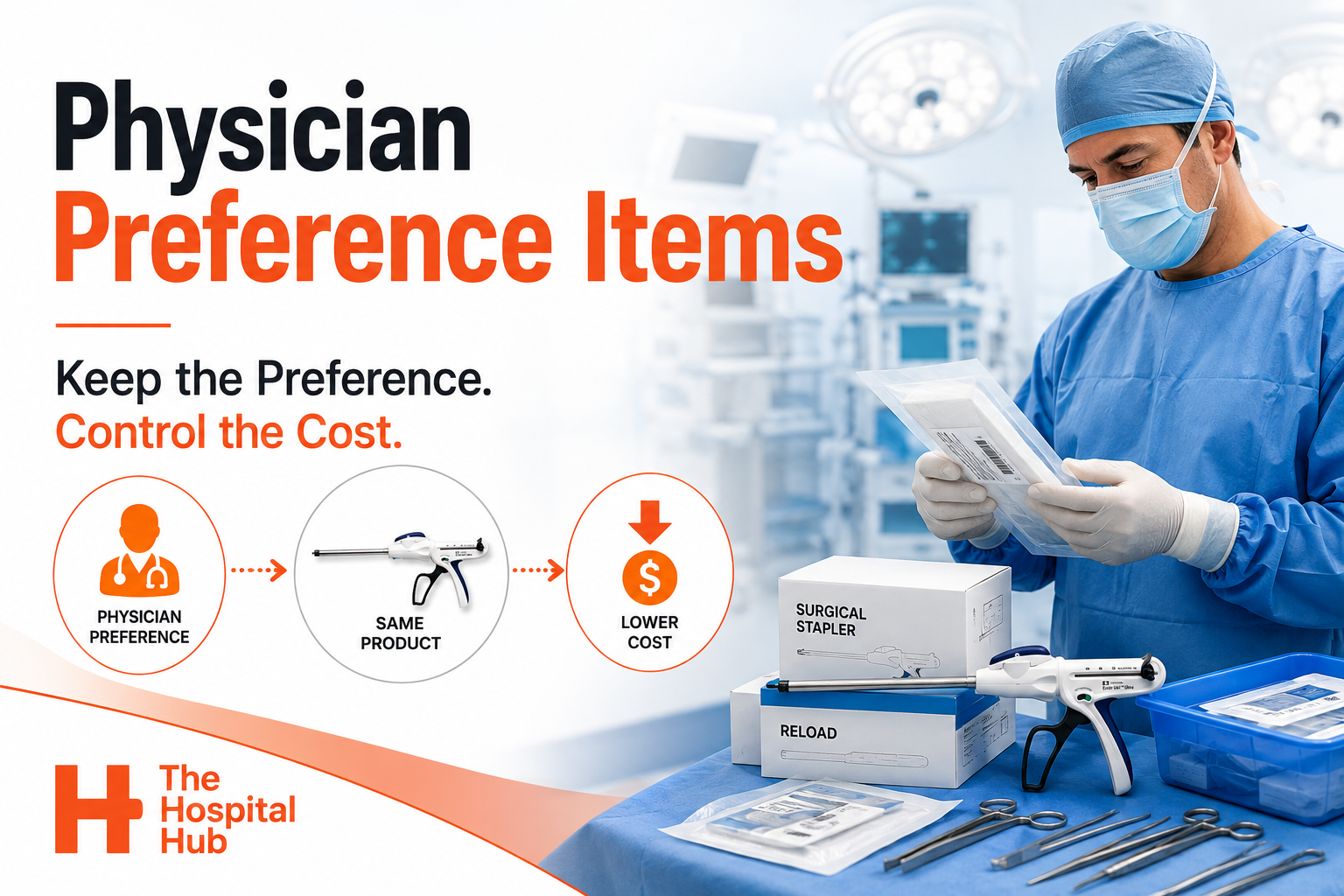
The objective isn’t to replace your existing contracts—it’s to ensure your team always has another option when backorders occur.
Quick Checklist: Preparing for the Next Surgical Supply Backorder
- ✅ Identify your most critical surgical SKUs.
- ✅ Establish relationships with trusted secondary suppliers before an emergency.
- ✅ Monitor inventory levels regularly.
- ✅ Review surplus inventory opportunities.
- ✅ Create contingency plans for high-priority procedures.
Frequently Asked Questions
What is a surgical supply backorder alternative?
A surgical supply backorder alternative is a trusted secondary source that provides OEM surgical products when manufacturers or distributors cannot fulfill an order.
Can hospitals purchase OEM surgical supplies from secondary suppliers?
Yes. Reputable secondary suppliers provide unused, in-date OEM surgical products in their original packaging.
What should hospitals do when surgical products are backordered?
Hospitals should identify critical products, establish relationships with qualified secondary suppliers, and diversify sourcing strategies before shortages occur.
Can ambulatory surgery centers use secondary suppliers?
Absolutely. ASCs frequently benefit from faster access to difficult-to-source OEM surgical products during manufacturer shortages and supply chain disruptions.
Conclusion: Building a More Resilient Healthcare Supply Chain
Supply chain disruptions are no longer rare events—they’re part of today’s healthcare landscape.
Relying solely on a primary supplier creates unnecessary risk for hospitals and surgery centers.
By diversifying sourcing strategies, leveraging surplus inventory, and partnering with an experienced secondary supplier, healthcare organizations can reduce disruptions, protect surgeon preferences, and help keep procedures on schedule.
The Hospital Hub isn’t here to replace your primary supplier—we’re here to be the trusted backup resource when you need one most.
Whether you’re searching for a hard-to-find OEM product, looking to recover value from surplus inventory, or preparing your facility for the next supply chain disruption, we’re here to help.
Looking for specific surgical supplies? Browse our inventory.
Have surplus inventory to sell? Learn more about our Surplus Buying Program.
Need help locating a backordered product? Contact our team today—we’ll help you find it.